Disclaimer: There are affiliate links in this post. At no cost to you, we get commissions for purchases made through these links.
Are you feeling the pinch of bar stool prices? You’re not alone. Many people find the cost of bar stools compared to regular chairs quite striking. What makes these stools so costly? Let’s dive deeper and explore the materials used, design, and brand reputation that affect their price tag.
We’ll examine these factors closely, but don’t fret – we’ve got your back. We’ll provide some handy tips and budget-friendly alternatives to help you out.
If you’re wondering why bar stools are so expensive, you’ve come to the right place. Keep reading to learn more about this subject.
Why Are Bar Stools So Expensive?
Bar stools have become an essential piece of furniture in modern-day homes, especially in the kitchen or dining areas. However, the price tag on these stools can be quite high compared to regular chairs. Here’re the factors contributing to the high cost of bar stools.
1. Material
The cost of bar stools can often be high due to the quality of materials used in their fabrication. For instance, a bar stool crafted with solid hardwood will generally be pricier than one made from softwood or plywood. Similarly, if genuine leather is used instead of faux leather or vinyl, the stool cost will increase.
Quality materials also play a role in the longevity of the stool. A bar stool made of sturdy materials will likely last longer, making it a wise investment in the long run. Additionally, the material used can affect the stool’s comfort level. A bar stool with a cushioned leather seat, for example, will be more comfortable than a hard wooden seat.
The quality of materials used in the construction of bar stools can significantly affect the cost and comfort level of the stool. As such, it is important to consider both factors when selecting a bar stool to ensure a worthwhile investment.
2. Intricate Design
The cost of bar stools is often affected by their intricate design. Complex, unique designs require more time, effort, and specialized tools, making them pricier than simpler ones.
For example, bar stools with carvings, hand-painted art, or ornate details cost more due to the artisan’s skill. Additionally, ergonomic and curved designs that require advanced construction techniques are more costly than straight-backed stools.
Mid-century modern, industrial, and rustic styles are some of the more expensive options. These styles often feature intricate metalwork, vintage leather upholstery, and handcrafted woodwork – all of which add to the cost.
Though they may cost more than simpler alternatives, many people are willing to pay the price for the unique look and quality materials they offer.
3. High Weight Capacity
Some bar stools are designed to accommodate a significant amount of weight. Those with higher weight capacities tend to be sturdier, thus resulting in a higher purchase price.
For example, bar stools that can hold up to 500 lbs will cost more than those capable of just 250 lbs.
Stools with greater weight capacity often have additional reinforcement, such as thicker legs or a wider base, which adds to the production cost.
However, if you need a bar stool that can take a heavy load, it is worth investing in a well-made, high-quality stool that can provide the necessary support and last for a longer period of time.

4. Brand
Well-known and respected brands often ask for a premium for their bar stools. That’s because they are known for making solid and resilient products that warrant the extra cost.
Customers are often willing to pay more for the guarantee of quality and durability of purchasing from a reputable brand.
For example, a bar stool from a high-end brand like Herman Miller or Knoll. It is likely to be more expensive than one from a lesser-known label.
But these brands are renowned for their superior craftsmanship, modern design, and top-notch materials, making them a wise investment for some shoppers.
5. Customization
Manufacturers of bar stools often provide customization options, like the type of material, finish, and design. However, these personalized stools are typically pricier than pre-made models.
Building them requires more labor and materials, as the manufacturer must purchase the parts that fit the customer’s request.
For instance, if the customer orders a bar stool with a fabric or leather seat, the producer must acquire the material as well as incorporate it into the design, raising the total cost.
The same goes for stools with a particular finish or color – the manufacturer may use different types of paint or coating, which drives up the price.
6. Labor Cost
Manufacturing bar stools is a labor-intensive process that requires trained professionals. The considerable cost of labor is a significant factor in the overall cost of the product.
Creating a bar stool involves a series of steps, from cutting and forming the wood or metal to putting together the parts and adding the final touches, such as upholstery or paint. Each step needs accuracy and careful attention, provided only by skilled workers.
Moreover, many bar stool makers are in countries with higher labor costs, like the United States or Europe, which can further increase the stool’s price.
How Much Should You Pay for Bar Stools?
Are you on the hunt for bar stools? If so, you may be wondering what kind of prices to expect. To provide a good starting point, here are some average price ranges you can use to guide your search.
The most basic bar stools cost as little as $20 to $50 each. These stools, with a straightforward design, are usually made out of plastic or basic metal.
Mid-range bar stools usually range from $50 to $150 each. They’re crafted with better materials like hardwood or heavy-duty metal and will likely have more intricate designs or extra features like swivel seats or adjustable heights.
High-end bar stools may start at $150 and reach thousands of dollars. These stools often use the highest quality materials, feature the most intricate designs, and may be branded by well-known designers or brands.
What Can You Use Instead of Bar Stools?
If bar stools are outside your budget or you simply don’t like them, there are plenty of alternative seating options that you can consider. Here are some alternative options that you can use in place of bar stools:
1. Counter-Height Chairs
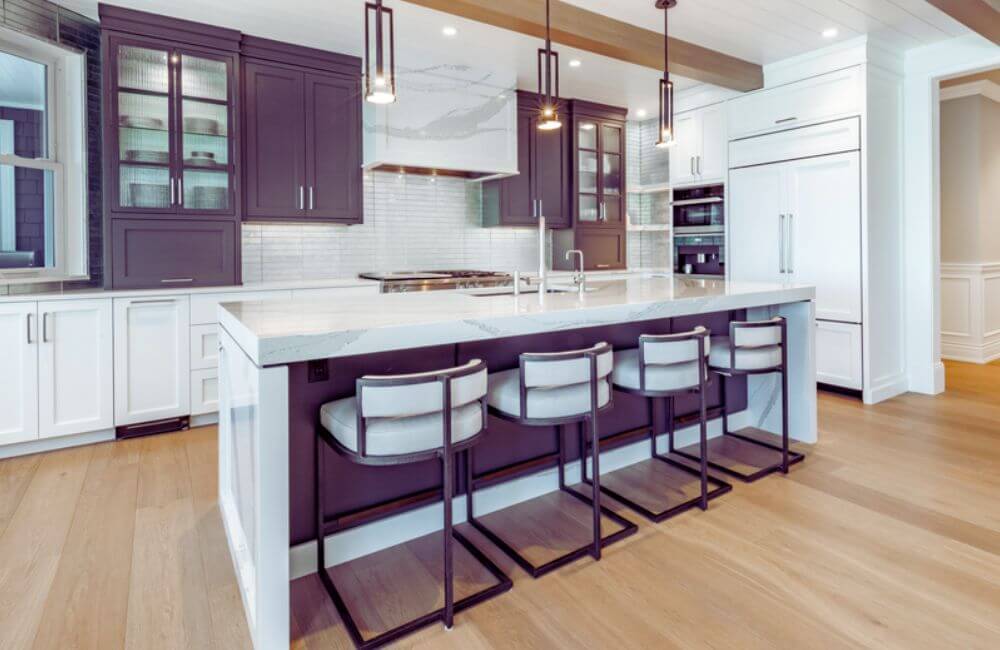
Counter-height chairs are similar in height to bar stools, but they have a seat and backrest, making them more comfortable for extended use. They come in various styles and materials, from basic wooden designs to upholstered options. These chairs are a great alternative if you want the height of a bar stool but prefer a more traditional chair design.
The counter-height chairs offer more comfort than bar stools because they have a backrest and seat cushion. They also come in various designs, so you can find one that matches your decor. However, they can be more expensive than basic bar stools and take up more space than folding chairs.
2. Bench Seating
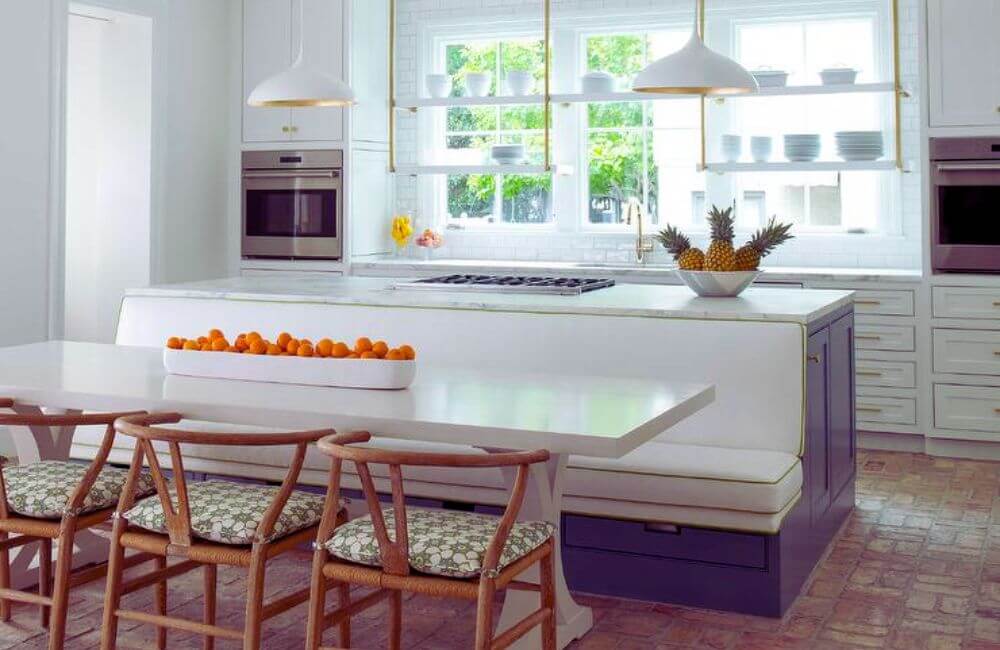
When you have a long counter or bar, benches can be a practical choice for accommodating several people. Benches come in various lengths and designs; some even have built-in storage, making them versatile pieces of furniture that can be used in other areas of your home when not in use at the bar.
However, benches require more space than other seating options, and they may not provide the same level of comfort as counter-height chairs for extended periods.
Nonetheless, benches are a great alternative to bar stools and can provide a unique touch to your home decor.
3. Folding Chairs
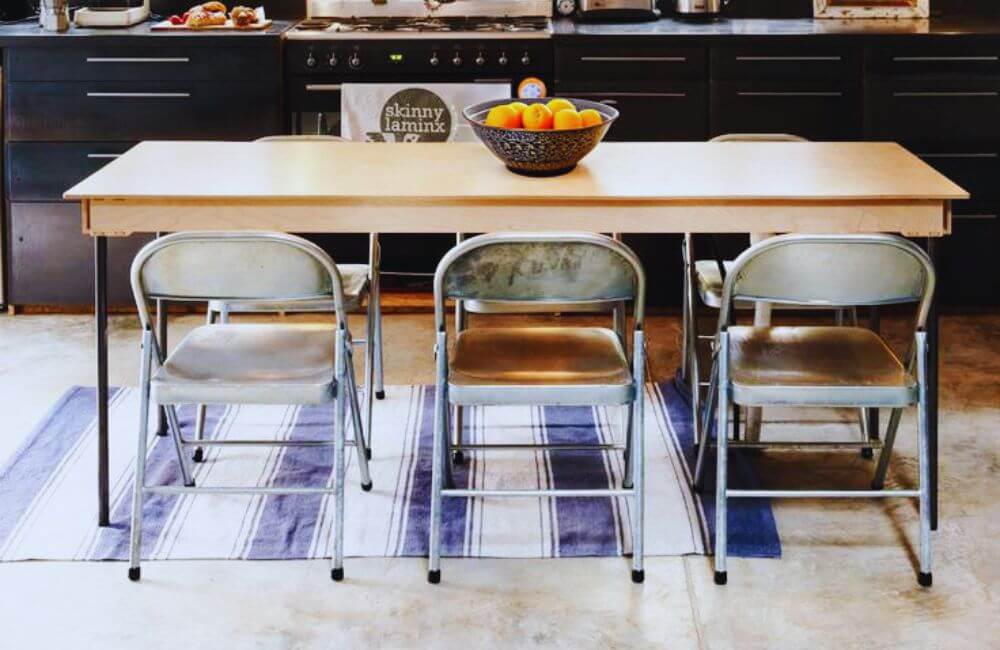
If you need additional seating that can be easily stowed away when not in use, folding chairs are a fantastic choice. They are cost-effective and come in a wide range of styles and materials. Folding chairs can save you space and provide the flexibility you need for accommodating extra guests.
However, while folding chairs are practical and affordable, they may not offer the same level of comfort as other seating options like counter-height chairs or benches.
Additionally, folding chairs may not fit in well with more formal settings. Despite these limitations, there are plenty of designs and materials to choose from, so you can easily find a folding chair that complements your décor.
Conclusion
Buying bar stools can seem like a hefty investment, but remember you’re investing in quality materials, skilled craftsmanship, and unique designs.
On the other hand, there are options out there that offer the same practicality but at a lower cost. Consider your financial plan, the space size, and the style you like when hunting for bar stools.
Doing your homework and thinking it through can help you find the ideal bar stools for your needs and budget.

Leave a Reply